How Access Cards & Fobs Actually Work — and Why Professional Programming Matters
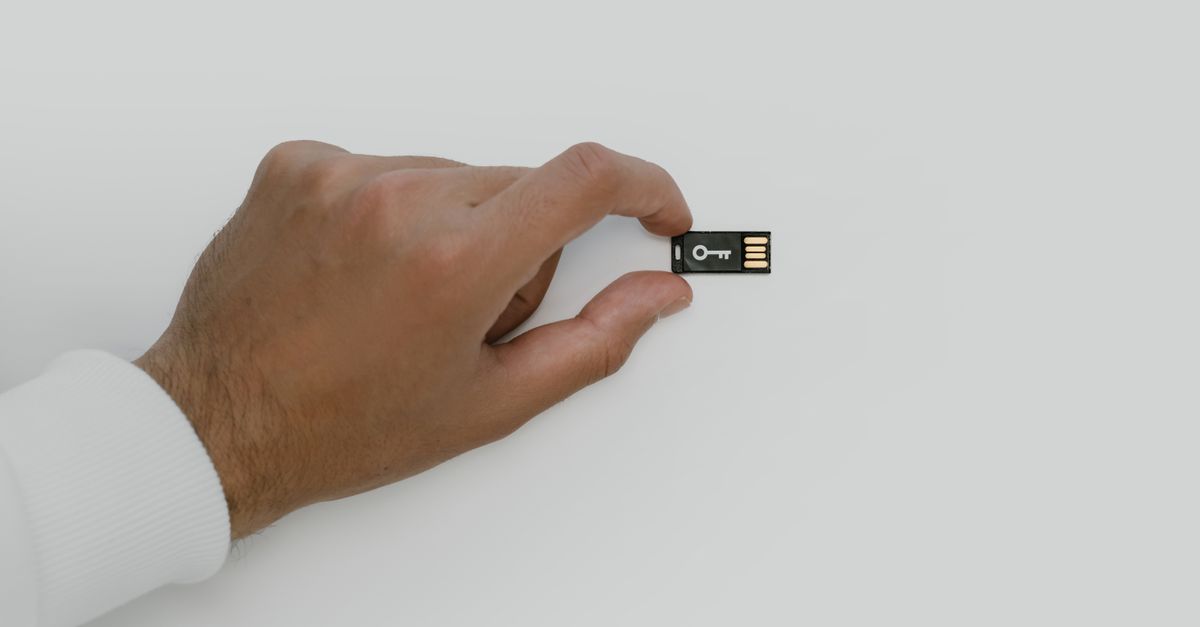
Modern access cards and key fobs aren't simple physical keys. They store encrypted credential data — rolling codes, transponder signals, or RFID frequencies — that must be matched to a specific reader, controller, or vehicle ECU. A proximity card used on a Schlage or HID-compatible commercial door panel communicates on a specific frequency band; if that card isn't properly enrolled in the system, the door simply won't respond. Similarly, a replacement vehicle fob that hasn't been paired to your car's immobilizer will crank without starting, leaving you stranded. DIY programming kits exist for some systems, but mismatched protocols, incomplete enrollments, and skipped security sequences routinely turn a straightforward replacement into a cascading problem that costs more to fix later.
Our technicians are trained on both commercial access control platforms and automotive key fob systems spanning domestic and import vehicle makes. We carry professional-grade programming equipment — not consumer-tier devices — and we verify each credential against the system before we leave your location. For commercial properties along Michigan Avenue or the industrial parks off Wapakoneta Road, that means testing card reads at every enrolled reader. For vehicle owners, it means a confirmed start and a full fob-function check (lock, unlock, trunk, panic) before we close out the call. That end-to-end verification is what separates a qualified mobile locksmith from a parts-swap.